
Mentoring · 05
All programmesTransformation & Performance Mentoring
While you lead the change, someone who has walked that road is beside you.
- Duration
- 6 months12 sessions of 90 minutes
- Format
- One-to-onealso as a first-100-days or peer-circle format
- Agenda
- The mentee brings itthe real work, that week’s issue
- Mentors
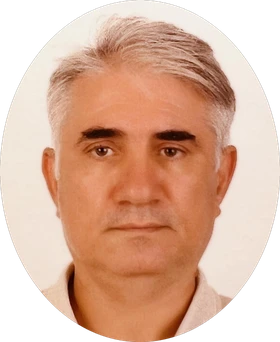 PARTNER CONSULTANTCem ÖzkanFinance · Business Control · Supply Chain
Thirty years at four companies, leading finance, audit and supply chain.
- 30 years
- in finance, audit and supply chain
- 4
- companies
CompaniesParticipation Banks · Yıldız Holding · Mondi
ExpertiseCash management · Profitability · Investment decisions · Supply chain · Business control
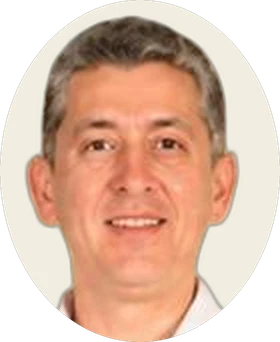 PARTNER CONSULTANTKaan ÇağınHuman Resources · Organization
Thirty years at five companies, building and running human resources.
- 30 years
- in human resources management
- 5
- companies
CompaniesBorusan · Sandoz · Polisan · Petrol Ofisi · Mondi
ExpertiseHR systems · Union relations · Talent and pay · Organization · Growth phases
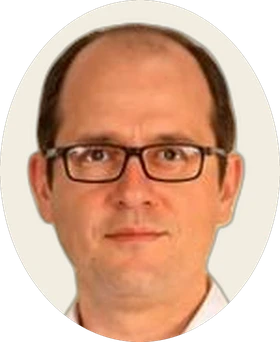 PARTNER CONSULTANTHakan ArıSales · Marketing · Operations
Twenty-six years at three international companies, rising from sales to general manager.
- 26 years
- in sales, marketing and general management
- 3
- international companies
CompaniesDS Smith · SCA · Mondi
ExpertiseSales leadership · General management · Operations · Planning · Forecasting
A one-to-one programme in which the manager leading a transformation or performance improvement programme discusses their own real agenda for six months with a mentor who has led similar programmes. The mentee brings the agenda: a stalled project, a resisting unit, an indicator that is not moving, a status report due to management. The mentor shares experience and views openly and leaves the decision to the mentee.
How the six months unfold
- 45 minIntroduction
- Month 1Start: agreement and opening three-way meeting
- Months 2–5Deepening: two sessions a month, mid-point review
- Month 6Close and closing three-way meeting
- +3 monthsFollow-up session
Topics most often brought to the table
- Defining the purpose and result of the transformation
- Project portfolio: reducing and sequencing
- Working with the sponsor and management
- Reading resistance
- Early, visible results
- Tying the new way to daily management
- Status reports and telling the truth
- Balancing consultants, suppliers and the internal team
- The strength and resilience of the person leading the programme
After six months, the executive
- 01
Writes down clearly which result the transformation programme will show, by which date and with which indicator, and agrees on it with management.
- 02
Reduces the number of projects running at once; decides, with reasons, to stop or restart one.
- 03
Reads resistance: builds justified objections into the plan and overcomes resistance born of habit through ownership and visible results.
- 04
Turns the status report from a list of green lights into an early account of risks and the decisions needed from management.
- 05
Ties the new process to the daily management rhythm (meetings, indicators, targets) and prevents a return to the old ways when the programme ends.
- 06
Manages their own energy and fatigue; stops being the programme's only carrier.